







.svg)

.svg)
.svg)


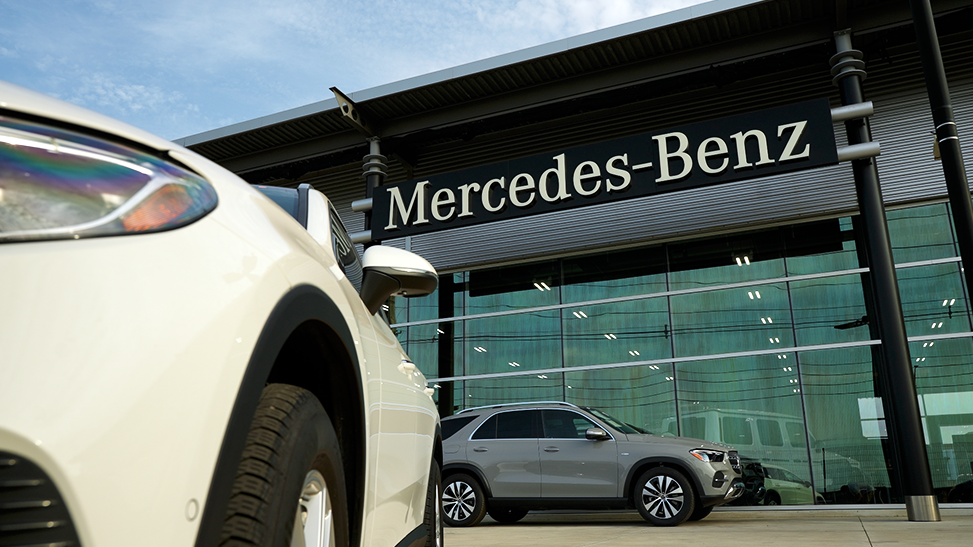
Garage Isla Verde, a premier dealership in Puerto Rico, transformed its operation by consolidating fragmented systems into a single, cloud- and AI-native platform. The result: a 27% surge in BDC lead volume, a 40% reduction in DMS-related expenses, and 600 additional sales annually—from 1,800 to 2,400 sales per year. By eliminating vendors and embracing real-time, AI-driven workflows, the dealership shifted from managing complexity to managing growth. What once felt like a ceiling on capacity became a launchpad for profitable scale.
The Challenge—When Multiple Vendors Become Multiple Problems
Garage Isla Verde juggled multiple vendors—primary DMS, standalone CRM, analytics, payments. Lead management took 10–15 minutes per customer. Managers lacked visibility into trade-in timing and profit. Deal desking was manual and error-prone. Campaign creation was slow. Costs were unsustainable. And scaling felt impossible.
"We had supplemental applications just because the prior DMS was not able to provide that functionality."
—Francisco Perez, General Manager at Garage Isla Verde
The Solution—From Fragmented to Unified
Garage Isla Verde replaced its disjointed systems with Tekion's Automotive Retail Cloud (ARC)—a single, cloud- and AI-native platform where every piece of customer and operational data lives in one place and is updated in real time.
CRM, analytics, inventory, and deal tracking, unified on one platform with real-time visibility. Single customer records eliminated data silos. AI-assisted lead management replaced manual workflows. Trade appraisals gained historical context. Deal desking gained live profit visibility. Consolidation cut DMS costs by 40%, and savings went back into growth.
The Results—How Unification Multiplied Performance
The transformation unfolded across every function—but the gains compounded because they all ran on the same system.
Lead Management and Capacity
The BDC operation saw immediate gains. Time per lead dropped from 10–15 minutes to 3–5 minutes—a 67% acceleration. The reason wasn't staff working harder; it was the platform doing the work. AI-assisted email drafting, one-click customer communication, and instant access to the full customer history eliminated the need for manual searching and template creation. That speed multiplied team capacity. BDC lead volume climbed 27% without hiring additional headcount. The same team handled more volume because the tools were getting in their way.
"With AI emdedded in ARC’s CRM that allows for quick drafting of emails and quick communication with the customer, BDC teams can manage more volume, with less time—that has been a huge advantage."
—Francisco Perez, General Manager at Garage Isla Verde
Marketing Agility
Campaign execution shifted from bottleneck to routine. The old CRM made template creation slow and cumbersome. Now, the marketing team launches multiple campaigns per week—service blasts, used-car promotions, seasonal outreach. This agility directly fuels pipeline. When you can test and launch campaigns quickly, you capture opportunities competitors miss.
"The flexibility to create campaigns in ARC CRM is far superior than our previous CRM. Now I can efficiently create campaigns to send any blast for a service, or for sales."
—Marilyn Bartolomei, BDC Manager at Garage Isla Verde
Trade Appraisals Powered by History
Advisors still make trade decisions, but no longer in a vacuum. The system surfaces historical data: how similar trades performed, how long they sat on the lot, whether they sold at a gain or loss. This context shifted trade appraisals from guesswork to data-informed decisions. Hold times improved. Margin leakage decreased. And advisors gained confidence that their decisions were backed by evidence rather than intuition.
Real-Time Profit Visibility
Deal desking became faster and more accurate. Managers now see gross profit instantly—not hours later after paperwork is processed. That visibility eliminated a major source of error: deals being priced without full context. Sales consultants moved faster because they didn't wait for manager approval on every detail; they had real-time insight into profitability. The result was fewer bottlenecks, faster closings, and tighter margins.
F&I Optimization
F&I teams discovered they could structure product menus not just for completeness, but for profit maximization. The platform made it simple to reorder products, test sequences, and measure which arrangements drove higher attachment and premium sales. That flexibility meant continuous refinement—not guessing, but testing and learning.
Inventory Strategy
Dashboard discipline changed how the dealership managed used-car inventory. Managers could now see turn velocity, hold times, and inventory health patterns in real time. This shift from accumulation to velocity significantly improved cash flow and profitability.
Scaling Without Breaking
The ultimate test came when sales opportunity accelerated. In 18 months, Garage Isla Verde increased annual sales from 1,800 to 2,400—a 33% jump. Most dealerships would see their operations crumble under that growth. Not here. The unified system scaled with the business. Processes that were fragile across multiple platforms became resilient on one platform.
Cost Impact
Consolidating 40% of DMS-related expenses freed real dollars—not just accounting savings. That money went back into growth: marketing, inventory investment, staff. Profitability improved not just from operational efficiency, but from redirected spend.
Before & After
Why This Matters—One Platform, One Advantage
Fragmented systems cost time, accuracy, and margin. Garage Isla Verde proved that consolidation works: a unified platform = faster decisions, fewer errors, scalable operations, and better profitability. While you're managing vendor sprawl, competitors are optimizing with real-time data.
Ready to unify your dealership’s operations?
Request a demo with Tekion today.
FAQs
What's the real ROI from consolidating vendors?
Garage Isla Verde cut DMS-related costs by 40%, but that's just the accounting win. The bigger ROI comes from what you do with those freed resources. They reinvested savings into marketing, inventory, and staff. Meanwhile, operational efficiency gains created margin improvements across lead management, deal desking, F&I, and inventory turns. When your BDC team handles 27% more volume on the same headcount, when your F&I gross improves from menu optimization, when your trade decisions improve from data instead of guesswork—those are profit multipliers, not just cost cuts.
Will dealership teams actually adopt new systems?
Garage Isla Verde's team adapted quickly because the platform was designed for dealership workflows rather than generic enterprise software. Lead managers saw 10–15 minutes compressed to 3–5 minutes instantly—that's self-motivating. Sales consultants saw real-time profit visibility they never had before. The tools made people's jobs easier and faster, which drives adoption far better than mandates. Quick wins in 2–3 months typically lead to compounding improvements over 18 months as the team optimizes workflows.
How does Tekion’s Automotive Retail Cloud actually impact customer experience?
A unified customer record means sales and service see the same history, preferences, and communication timeline. No more customers having to repeat themselves to different departments. Marketing can launch targeted retention campaigns. Service advisors see what the customer purchased in F&I. Sales consultants know service history and satisfaction scores. That integrated view powers automatic personalization—and makes follow-up effortless because there's one source of truth, not five disconnected systems.





.svg)